Standby Generator Installation and Emergency Backup Power in Schenectady, NY
Severe weather in Schenectady and throughout Capital District / Mohawk Valley can disrupt municipal electrical utility service without warning. Freezing ice storms, heavy wet snow, coastal nor'easters, and high-wind thunderstorms frequently bring down overhead power lines, leaving residential neighborhoods and commercial businesses without electrical power for hours or days. During an extended blackout in upstate and suburban New York, losing electricity causes severe structural damage: heating systems shut down leading to burst water pipes, sump pumps fail causing flooded basements, and refrigeration is lost.
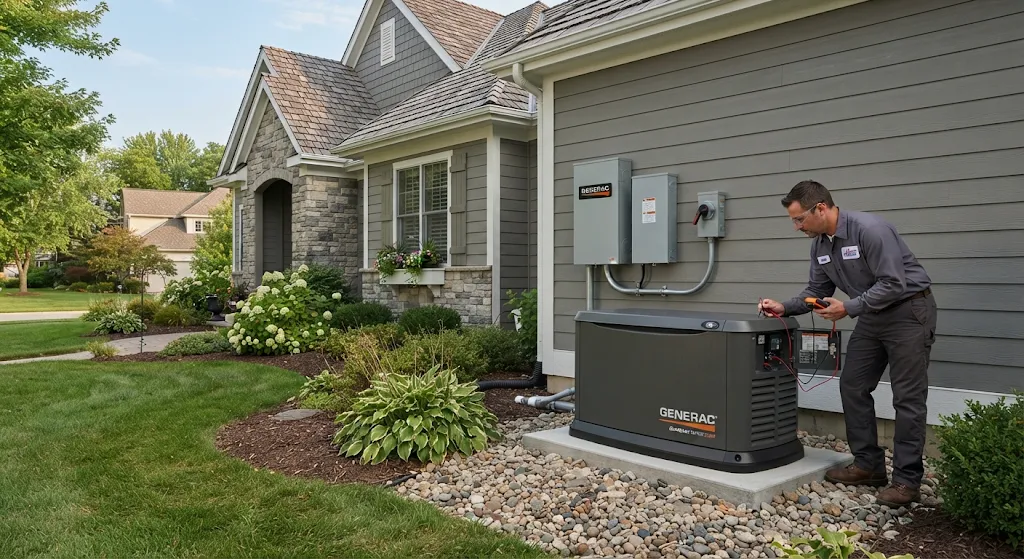
An automatic standby generator provides continuous, autonomous protection. Permanently installed outdoors on a composite or concrete equipment pad and fueled by natural gas or liquid propane (LP), an automatic standby system continuously monitors incoming utility power. When grid electricity fails, an Automatic Transfer Switch (ATS) seamlessly disconnects your property from the utility grid and restores backup power within 10 to 20 seconds. Independent electrical contractors connected through WATT911 provide turnkey standby generator installations across Schenectady and Schenectady County.
Automatic Standby Systems versus Portable Generators
Understanding the critical technical differences between permanently installed standby generators and portable gas generators helps Schenectady property owners select the appropriate emergency power strategy:
- Automatic Standby Generators (14kW to 26kW+): Enclosed in weatherproof, sound-attenuated acoustic aluminum housings, standby units start automatically whether you are at home, asleep, or traveling out of state. Connected directly to an underground natural gas line or dedicated propane tank, they deliver continuous power without requiring manual refueling, dangerous extension cords, or manual transfer switching.
- Portable Generator with Manual Interlock Kit: A cost-effective backup option utilizing a portable wheeled generator. An independent electrician installs an exterior 30-amp or 50-amp power inlet box (CS6375 or L14-30P) and a mechanical generator interlock bracket directly on your main service breaker panel. This configuration permits safe manual power transfer, preventing hazardous backfeeding into the utility grid while powering selected household circuits.
Prepare for Storm Outages in Schenectady
Connect with licensed independent electrical contractors in Schenectady County to size, install, and permit automatic standby generator systems for reliable backup power.
Sizing and Electrical Engineering for Schenectady Installations
Proper generator sizing is an exacting technical process. Sizing an emergency generator involves calculating both continuous running wattage and the massive inductive in-rush surge wattage required when large electric motors start up:
- Essential Circuit Coverage (10kW to 14kW): Powers vital life-safety circuits: forced-air furnace blowers, boiler circulating pumps, refrigerator and freezer, basement sump pump, well pump, WiFi router, and essential living room and kitchen lighting.
- Whole-Home Power with Load Shedding (18kW to 26kW): Capable of energizing the entire residential service panel. Smart digital load management modules automatically shed non-critical high-wattage loads (such as electric clothes dryers or secondary air conditioners) if total household demand approaches the generator's capacity, preventing engine stalling.
- Commercial Facility Systems (30kW to 150kW+): Three-phase 120/208V or 277/480V diesel, natural gas, or bi-fuel generator sets designed to maintain commercial refrigeration, point-of-sale servers, medical equipment, and security systems for Schenectady businesses.
Municipal Codes, Setback Requirements, and Permitting in Schenectady
Installing a permanent standby generator in Schenectady requires strict compliance with NFPA 37 (Standard for the Installation and Use of Stationary Combustion Engines) and local municipal zoning ordinances. Standby generators must typically be installed a minimum of five feet away from operable window and door openings, exterior combustible wall surfaces, and property boundaries to prevent carbon monoxide infiltration and meet local sound decibel thresholds.
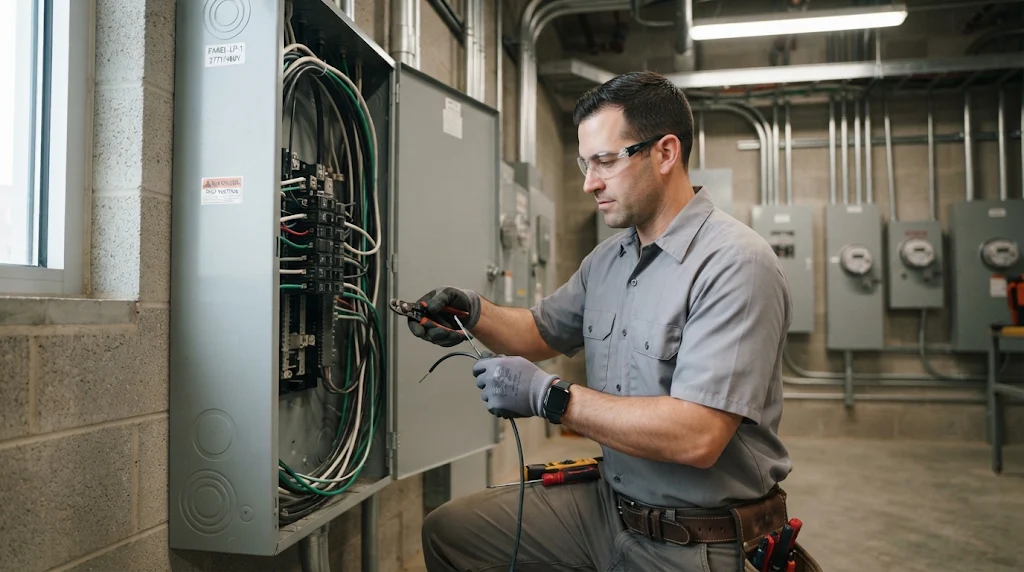
Independent electrical contractors prepare electrical permit filings with the Schenectady municipal building department, coordinate plumbing permits for gas line connections, and schedule final inspections with authorized third-party electrical inspection agencies to ensure full code certification and manufacturer warranty compliance.